

War intensifies repression and the execution of political prisoners
2026-04-01
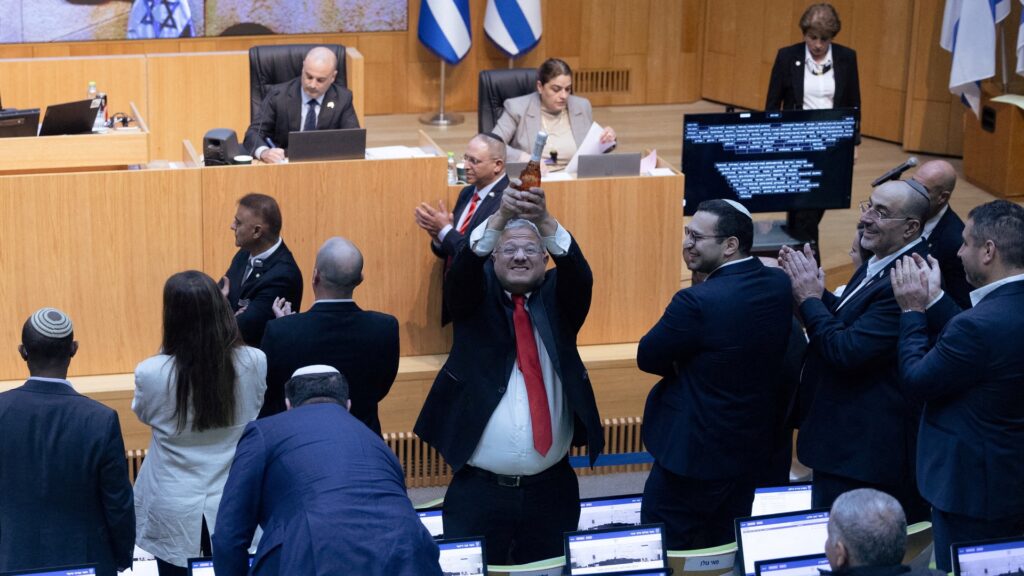
In days when the shadow of a devastating war and rising regional tensions weighs on the lives of millions, reports of the execution of several political prisoners in Iran, alongside death sentences issued against Palestinian prisoners, once again reveal the true nature of the governments involved in this conflict. These events condense the logic that operates at the core of capitalist rule, whether in the form of the Islamic Republic or the Israeli state: preserve the existing order through repression, physically eliminate opponents, and manage political crises with organized violence.
The execution of political prisoners while bombing and missile and drone attacks continue signals a deliberate political and security strategy. Contemporary Iranian history shows that in times of crisis, from the Iran-Iraq war to the social uprisings of the past decade, the state has systematically turned to the physical elimination of opponents. The transfer of dozens of political prisoners to solitary confinement during ongoing bombardment and widespread insecurity signals planning and readiness to intensify repression. Solitary confinement serves not only as a tool of psychological torture but also as a step toward isolation and, in some cases, the silent elimination of prisoners. These actions, especially under wartime conditions, increase the risk of hidden massacres.
War often serves a dual function. On one hand, it advances the rivalries of imperial and regional powers. On the other, it allows governments to sideline, suppress, or divert internal protest movements. The Islamic Republic operates within this framework. It tightens the security climate, restricts freedoms, and carries out executions as part of an effort to impose cohesion from above, while anger and social discontent build beneath the surface of war. Executing political prisoners in such conditions sends a clear message to society: any opposition, even during wartime, will face the harshest response. This policy reflects not strength but a deep fear within the ruling power of expanding protests and their connection to broader political and economic crises.
The simultaneous execution of political prisoners in Iran and the passage of reactionary death penalty laws against Palestinian prisoners by the Israeli state, especially as fascist currents celebrate, reveals a shared logic at the level of power structures: eliminate opponents to contain resistance. In both cases, the prisoner stands as a symbol of struggle. Eliminating or severely repressing these individuals aims to break collective morale and prevent the spread of resistance. This logic, regardless of ideological or religious differences, reflects a shared structural and class nature of power.
Prisons serve as tools of class control. Political prisoners often represent or reflect broader social movements, from labor struggles and the women’s liberation movement to anti colonial resistance. In this context, executions or increased pressure on prisoners form part of a broader effort to contain these movements. Governments seek to disrupt networks of communication and organization by removing political activists. Experience shows that such policies do not silence protests in the long term. Instead, they can drive movements toward greater radicalization.
A common trait of governments that rely heavily on executions and repression is a crisis of legitimacy. As their social base weakens, they depend more on coercive tools. They turn executions into displays of power designed to instill fear and deter opposition. Yet this display often backfires. Rising class awareness, expanding organization, and people’s experience of repression can erode state legitimacy. Political prisoners become symbols of resistance and links among popular struggles.
In response, the socialist movement of the working class and other progressive social movements face a dual task. They must oppose their own state’s war making and imperial intervention by all possible means, while also building solidarity with the movement against executions and defending political prisoners to halt the regime’s machinery of repression and killing. Defending political prisoners, opposing the death penalty, and fighting repression form an integral part of class struggle. Only through this path can people resist the cycle of violence and repression and sustain the horizon of liberation from domination and exploitation.
Statement of the day by the Television of the Communist Party of Iran and Komala.