

The political necessity of organizing workers’ strikes with the demand to put an end to repression and to secure the release of detainees
2026-01-13
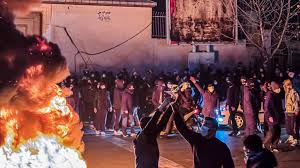
Nationwide protests in Iran have now entered their fifteenth day. Data released by various sources indicate an unprecedented surge in the number of human casualties and widespread arrests—a surge that is the direct result of the gradual disclosure of information under conditions of severe repression, an all-encompassing security atmosphere, and the systematic shutdown of the internet and public communications. These conditions have seriously restricted the ability to document and reflect the facts related to these crimes, while simultaneously exposing the previously concealed dimensions of state violence and killings.
What is unfolding today on the streets of Iran is a direct and conscious confrontation between the downtrodden masses of society and a system that seeks its survival in structural poverty, organized repression, and the denial of the most basic human rights of the majority of the people. The killing of more than 600 people during the protests, including 8 children under the age of 18, is clear evidence of the reality that the ruling power recognizes no limits in resorting to violence to preserve itself, and that human life—even the lives of children—holds no value in its calculations. The presence of children among the victims is the direct result of the unrestrained use of coercive force against a population that has risen up for dignity and a humane life.
The four-day internet shutdown—which, according to reports, has reduced Iran’s level of connectivity with the outside world to about one percent—is an action that constitutes an inseparable part of the state’s machinery of repression. Depriving society of communication, organization, and the flow of information is a deliberate attempt to conceal the true dimensions of the killings, prevent the formation of social solidarity, and create an atmosphere of fear, isolation, and unawareness. Nevertheless, the experience of recent days has shown that truth, even in the darkest conditions and under the most intense pressures, finds its way out.
Alongside the street killings, mass arrests constitute another central pillar of the policy of repression. The recording of more than 10,681 arrests and the publication of at least 96 cases of forced confessions from detainees indicate the regime’s systematic effort to shift the arena of protest from the streets to prisons. This policy is the logical continuation of the same street violence, carried out through different means—a calculated attempt to crush individual and collective will through imprisonment, psychological pressure, threats, public humiliation, and the display of fabricated confessions. Forced confessions serve as a tool to legitimize repression, reproduce the regime’s security narrative, and portray the victims as the perpetrators.
Under these circumstances, the issue of supporting detainees and their families has become an immediate and vital task. Prisons have turned into an extension of the repressed streets, and defending political prisoners and those detained during the protests is an inseparable part of sustaining the social struggle. Organizing collective support, exposing conditions inside detention centers, confronting forced confessions, and supporting the families of those killed and imprisoned are not merely humanitarian acts, but political necessities for preserving bonds of solidarity and preventing the fragmentation and erosion of the protest movement.
What is unfolding in Iran today is a decisive moment in the struggle between society and a ruling power that seeks its survival in naked violence, unrestrained repression, and the devaluation of human life. The killing of protesters, the deaths of children, the severing of communications, and the imprisonment of thousands all reflect the regime’s profound fear of a society that has attained awareness, solidarity, and collective protest. History has repeatedly shown that no repressive order can stand forever against the conscious and organized will of the people.
Under these conditions, organizing workers’ strikes in key production centers and institutions—energy, transportation, and service sectors—with the demand to end repression and secure the immediate release of detainees can generate significant economic pressure and raise the cost of continued repression for the Islamic Republic regime. Workers’ strikes demanding an end to repression and the freedom of detainees strengthen the link between the factory and the street, boost the morale of fighters and protesters on the ground, and help sustain the protests. By putting pressure on economic choke points, workers’ strikes can, over time, paralyze the Islamic regime’s machinery of repression and killing.
Communist Party of Iran
13 January 2026
Email: international@cpiran.org